Why a Little Poison Might Be Exactly What Your Detox Is Missing
Here's something that might make your head spin a little: some of the most powerful things you can do for your body's detox systems involve deliberately introducing compounds that, in large amounts, would genuinely harm you.
Yep. A little bit of the thing that hurts you might actually be what helps you heal.
This isn't fringe thinking or some weird biohacking rabbit hole. It's a well-documented biological principle called hormesis, and once you understand it, you might start looking at your cleanse routine very differently.
What Hormesis Actually Means
Hormesis is essentially the idea that low-dose exposure to a stressor — chemical, physical, or otherwise — triggers an adaptive response in the body that leaves you better off than before. The classic example most people have heard of is exercise. When you work out, you're technically damaging muscle tissue. But that controlled damage signals your body to repair and rebuild stronger.
The same logic applies to certain compounds in your food and environment. A small dose activates your defenses. A large dose overwhelms them. The sweet spot in between? That's where the magic happens.
For anyone doing a cleanse or detox protocol, this has some pretty significant implications — because the instinct to eliminate everything potentially harmful might actually be working against you.
The Bitter Truth About Plant Compounds
Think about the last time you ate something genuinely bitter — arugula, dandelion greens, dark chocolate, black coffee, or a handful of walnuts. That sharp, slightly unpleasant edge you taste? That's your first clue that something biologically interesting is happening.
Bitter compounds in plants — things like glucosinolates in broccoli, isothiocyanates in mustard greens, and alkaloids in herbs — are technically mild toxins. Plants evolved them as a defense mechanism against insects and animals. But when humans eat them in normal dietary amounts, something unexpected happens: our bodies treat them as a low-level threat and respond by ramping up detox enzyme production.
Specifically, these compounds activate a family of enzymes called Phase II detoxification enzymes, particularly through a cellular pathway involving a protein called Nrf2. When Nrf2 gets switched on, it triggers the production of glutathione (one of your body's most important internal antioxidants), superoxide dismutase, and a range of other compounds that help neutralize genuine toxins and reduce inflammation.
In other words, the mild bitterness of your salad greens is essentially putting your liver through a light training session. Skip those foods in favor of something blander and more "pure," and your liver skips its workout.
Polyphenols: The Antioxidants That Work by Causing a Little Stress
Polyphenols are everywhere in the wellness world right now — in green tea, berries, olive oil, red wine, turmeric, and dozens of other foods that show up on every "eat these" list. But here's the part most health content glosses over: polyphenols are also technically pro-oxidants at certain doses.
That's not a typo. The same compounds celebrated for their antioxidant effects actually generate a small amount of oxidative stress in your cells. And that mild stress is precisely why they work.
When your cells detect that low-level oxidative signal, they respond by producing more of their own internal antioxidant systems — far more than the polyphenol itself provided. It's like hiring a personal trainer. The trainer puts you under controlled stress, and you come out stronger on the other side.
This is why researchers increasingly believe that simply taking isolated antioxidant supplements in massive doses can actually undercut this process. You're flooding the system without triggering the adaptive response. Your body never gets the signal to build its own defenses.
Trace Minerals and the Paradox of 'Toxic' Metals
This one tends to raise eyebrows, but stick with it. Certain trace minerals that are genuinely dangerous in high doses — selenium, manganese, even small amounts of arsenic found naturally in some whole foods like brown rice — play essential roles in human health at the tiny amounts found in a varied, whole-food diet.
Selenium, for example, is a critical component of glutathione peroxidase, one of your liver's key detox enzymes. Your body literally cannot run its detox machinery without it. Too much selenium is toxic. But too little, and those same detox pathways stall out.
The same principle applies to zinc, copper, and several other minerals that exist in a narrow band between essential and harmful. Overly restrictive cleanses that cut out whole food groups for extended periods can quietly deplete these trace minerals, leaving your detox systems running on empty.
So What Does This Mean for Your Cleanse?
None of this is an argument against cleansing. It's an argument for cleansing smarter.
A few practical takeaways:
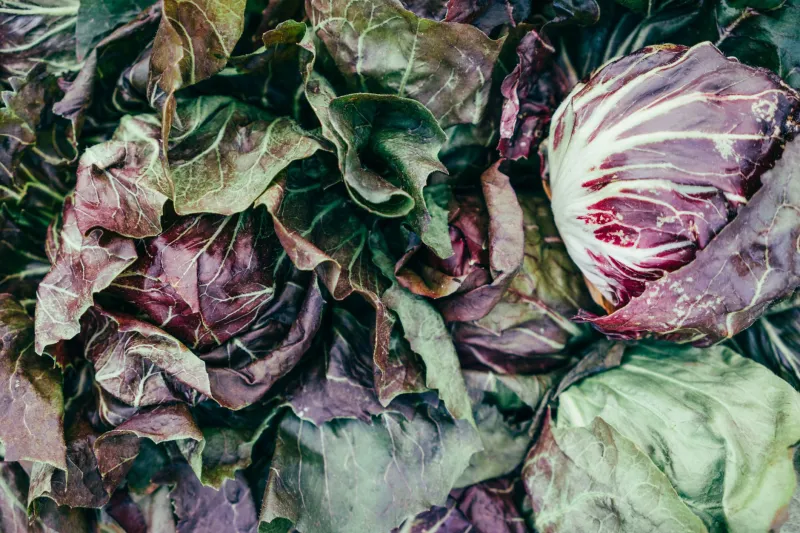
Keep the bitter foods in your protocol. Dandelion root tea, arugula, radicchio, cruciferous vegetables, and herbs like milk thistle aren't just tolerated on a cleanse — they're doing some of the heaviest lifting. Don't swap them out for milder, sweeter options just because they're easier to eat.
Be skeptical of ultra-purified supplement stacks. If your cleanse involves replacing whole foods with isolated compounds at very high doses, you might be bypassing the hormetic response entirely. Whole food sources deliver compounds in the ratios and combinations your body evolved to work with.
Don't extend restrictive phases indefinitely. Short-term restriction can be a useful reset. But long-term elimination of entire food categories can create the very deficiencies that undermine your detox capacity. Most well-designed cleanse protocols are short for a reason.
Reintroduce challenge foods thoughtfully. After a cleanse, bringing back small amounts of bitter, astringent, or mildly challenging foods — fermented items, dark leafy greens, even a small amount of high-quality dark chocolate — helps re-engage your adaptive detox systems.
The Takeaway: Clean Isn't Always Cleaner
The idea that detoxing means stripping everything down to the absolute purest, blandest, most inoffensive inputs is intuitive — but biology doesn't always reward intuition. Your body is a system that was built to handle challenge. It actually needs a certain amount of friction to stay sharp.
Think of your detox enzymes like muscles. They need resistance to stay strong. Give them nothing to work against, and they weaken. Feed them small, controlled doses of the compounds that activate them, and they come back ready to handle whatever else comes their way.
A genuinely effective cleanse isn't just about what you remove. It's also about what you strategically keep in — the bitter, the challenging, the compounds that make your body work a little harder and come out the other side better equipped to protect you.
That's not a detox paradox. Once you understand hormesis, it makes complete sense.