Mood in Your Gut: Why Cutting These 3 Foods Could Clear Your Head and Calm Your Mind
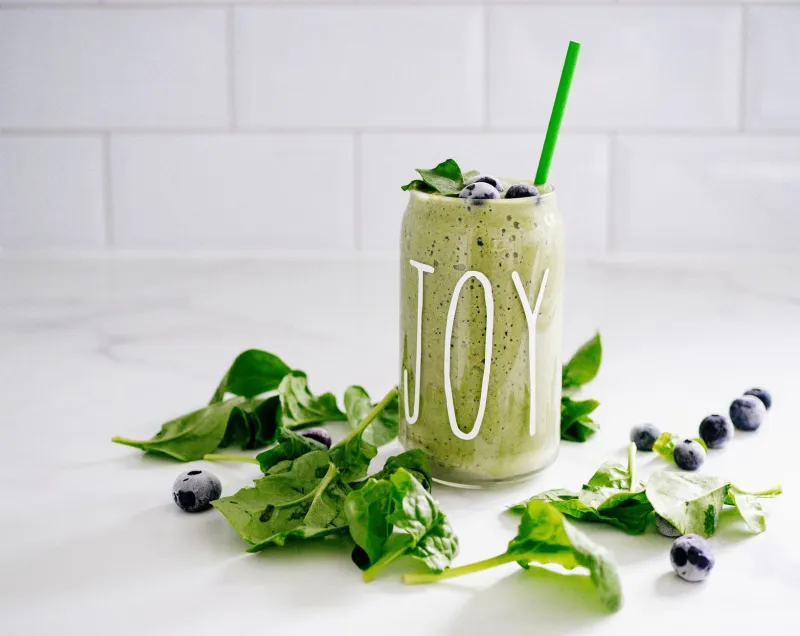
Ever notice how a stressful week somehow coincides with bloating, brain fog, and a general sense of emotional flatness? That's not a coincidence. The gut and brain are in constant conversation — and when your digestive system is inflamed or out of balance, your mental state often pays the price.
This isn't fringe wellness talk. Researchers now refer to the gut as the "second brain," home to over 100 million neurons and the source of roughly 90% of the body's serotonin. When that system gets disrupted — through poor diet, chronic stress, or antibiotic overuse — the ripple effects can show up as anxiety, irritability, difficulty concentrating, and even low-grade depression.
The good news? You don't need a prescription to start turning things around. A focused, DIY elimination protocol targeting a handful of specific foods can begin to quiet the inflammation, rebalance your gut microbiome, and help your brain function the way it's supposed to.
The Gut-Brain Axis: A Quick Primer
Your gut and brain are connected through a complex two-way communication network called the gut-brain axis. This system includes the vagus nerve, immune signaling molecules, and the neurotransmitters produced by your gut microbiome. When your gut bacteria are diverse and thriving, they help regulate mood, stress response, and cognitive function. When they're not — a state called dysbiosis — the whole system starts to glitch.
Gut dysbiosis has been linked in multiple studies to elevated cortisol levels, increased intestinal permeability (often called "leaky gut"), and a measurable reduction in mood-regulating neurotransmitters like serotonin and GABA. Simply put: an unhappy gut often means an unhappy brain.
So what's feeding the dysbiosis? For most Americans, the answer lives in their daily diet.
The 3 Foods Worth Eliminating First
1. Refined Sugar and High-Fructose Corn Syrup
Sugar is the gut microbiome's worst enemy — and unfortunately, it's hiding in everything from salad dressings to "healthy" granola bars. Refined sugar feeds opportunistic bacteria and yeast (like Candida), which crowd out the beneficial strains your brain depends on. Beyond the microbiome, sugar drives systemic inflammation that crosses the blood-brain barrier, contributing to what many people describe as mental fog or emotional volatility.
A 2020 study published in Nutritional Neuroscience found a direct correlation between high added-sugar intake and increased rates of depression and anxiety in adults. That's a meaningful data point if you're someone who reaches for a sugary snack when stress hits.
What to do: For at least 21 days, cut out all added sugars and high-fructose corn syrup. Read ingredient labels carefully — it shows up under more than 60 different names, including maltose, cane crystals, and fruit juice concentrate.
2. Gluten-Containing Grains
Gluten sensitivity exists on a wide spectrum, and you don't need a celiac diagnosis to experience its effects on your gut and brain. For a significant subset of people, gluten triggers an immune response that increases intestinal permeability, allowing bacterial byproducts to enter the bloodstream and provoke neuroinflammation.
Research from institutions including Columbia University has identified a condition called non-celiac gluten sensitivity (NCGS), where individuals experience cognitive symptoms — including brain fog and mood swings — without testing positive for celiac disease. If you've never tried eliminating gluten, it's one of the most worthwhile experiments you can run on yourself.
What to do: Remove wheat, barley, rye, and most oats from your diet for 3 to 4 weeks. Replace with whole food alternatives like sweet potatoes, rice, quinoa, and legumes.
3. Industrial Seed Oils
Corn oil, soybean oil, sunflower oil, and canola oil are everywhere in the American food supply — and they're loaded with omega-6 fatty acids that, when consumed in excess, tip your body toward a chronic inflammatory state. The ideal omega-6 to omega-3 ratio is roughly 4:1; the average American diet skews closer to 20:1.
This imbalance promotes neuroinflammation, disrupts the gut lining, and has been associated with higher rates of depressive symptoms. Swapping these oils out is one of the simplest and most impactful changes you can make.
What to do: Eliminate all processed foods containing industrial seed oils. Cook with extra virgin olive oil, coconut oil, or grass-fed butter instead. This one change alone tends to significantly reduce your overall inflammatory load.
Your DIY 3-Week Elimination Protocol
Here's a simple framework to follow at home:
Week 1 — Clear the Slate: Remove all three food categories simultaneously. Yes, it's an adjustment, but a clean break gives you clearer data. Stock your kitchen with gut-friendly staples: leafy greens, wild-caught salmon, fermented foods (plain yogurt, kefir, kimchi, sauerkraut), berries, avocados, and olive oil.
Week 2 — Support the Rebuild: Add in targeted gut-healing foods. Bone broth is rich in collagen and glutamine, both of which help repair the intestinal lining. Prebiotic foods like garlic, onions, leeks, and green bananas feed beneficial bacteria. Aim for at least one fermented food daily.
Week 3 — Tune In: Start keeping a simple daily log — energy, mood, focus, digestion. You'll likely start noticing patterns. Many people report feeling noticeably calmer and mentally sharper by the end of this week.
Reintroduction: After the 21 days, reintroduce each food group one at a time, three days apart. This is where you identify your personal triggers. If symptoms return within 48 hours of reintroducing a food, you have your answer.
A Simple Gut-Healing Recipe to Get You Started
Golden Gut Smoothie
- 1 cup unsweetened coconut milk
- ½ cup frozen wild blueberries
- 1 tablespoon ground flaxseed
- 1 teaspoon turmeric
- ½ teaspoon ginger
- 1 tablespoon collagen peptides (optional)
- A pinch of black pepper (activates the turmeric)
Blend until smooth. The blueberries deliver antioxidants that reduce oxidative stress in the gut lining, while turmeric and ginger are well-documented anti-inflammatory agents. This is a solid breakfast option during your elimination weeks.
The Bigger Picture
Elimination protocols aren't about perfection or deprivation — they're about information. You're essentially running a personal experiment to understand how your unique body responds to specific inputs. Most people are genuinely surprised by how much their mental state improves when they clean up their diet, simply because they never made the connection between what's on their plate and what's happening in their head.
Your gut is talking to your brain all day long. This protocol is about making sure it's sending good messages.