You Finished Your Cleanse — Now What? How to Rebuild Your Minerals Before You Crash
You made it through the cleanse. Maybe it was a juice fast, a raw food reset, or a strict elimination protocol. You stuck with it, you felt some genuine shifts along the way, and now you're on the other side — except you feel kind of terrible. Tired. Foggy. Maybe a little shaky or weirdly sad.
This is more common than most cleanse guides will admit, and there's a real physiological reason it happens. It's not in your head, and it's not a sign the cleanse failed. It's a mineral and electrolyte problem — and the fix is a lot more specific than just drinking more water.
Why Cleanses Deplete You in the First Place
Here's the part that doesn't get talked about enough: aggressive cleansing protocols — especially those involving diuretics (like dandelion tea or certain herbal blends), significant caloric restriction, or high volumes of plain water — can flush out essential minerals right along with whatever waste you're trying to eliminate.
Your kidneys work overtime during a cleanse. That increased urine output takes sodium, potassium, magnesium, and various trace minerals with it. Meanwhile, if you're eating very little or cutting out major food groups, you're also reducing your mineral intake at the same time your body is losing more than usual.
The result is a depletion state that can feel a lot like exhaustion, brain fog, muscle cramps, headaches, or mood dips. Some people even experience heart palpitations if the electrolyte imbalance gets significant enough. None of this means you did something wrong — it just means the post-cleanse phase deserves as much attention as the cleanse itself.
The Four Minerals You Need to Prioritize
Not all minerals matter equally in this context. These four are the ones most likely to be running low after a cleanse, and each one plays a role you'll actually feel.
Sodium gets a bad reputation, but it's essential for fluid balance, nerve signaling, and keeping your blood pressure stable. After a cleanse that involved a lot of liquid intake or diuretic herbs, sodium is often the first thing to drop. Low sodium can cause headaches, dizziness, and that unshakeable fatigue that makes you want to lie down at 2 p.m.
Potassium works alongside sodium to regulate cellular hydration and muscle function. If you've been experiencing cramps, weakness, or irregular heartbeat sensations post-cleanse, potassium depletion is a likely contributor. It's also critical for mood regulation — low potassium is linked to feelings of anxiety and irritability.
Magnesium is involved in over 300 enzymatic processes in the body, and a huge portion of Americans are already mildly deficient even without a cleanse. After one, levels can drop further. Sleep disruption, constipation, muscle tightness, and that wired-but-tired feeling are all classic signs of magnesium running low.
Trace minerals — including zinc, selenium, manganese, and iodine — are needed in smaller amounts but matter a lot for thyroid function, immune response, and antioxidant activity. A week or more of restricted eating can put a dent in these as well.
Why Drinking More Water Can Actually Make Things Worse
This is counterintuitive, but it's worth understanding. When you're already electrolyte-depleted, drinking large volumes of plain water can dilute your remaining mineral concentrations even further. It's a condition sometimes called hyponatremia — low blood sodium — and it can make you feel dramatically worse rather than better.
The goal isn't to stop hydrating. It's to hydrate smarter — meaning you want minerals in your water, not just volume.
Whole-Food Sources Worth Building Your Meals Around
Before reaching for supplements, whole foods are your best starting point. They deliver minerals in forms your body recognizes and absorbs more efficiently.
- For sodium: Reach for mineral-rich options like Himalayan pink salt or Celtic sea salt rather than heavily processed table salt. A pinch in your water or on your food goes a long way. Miso soup, pickles, and olives are also excellent natural sodium sources.
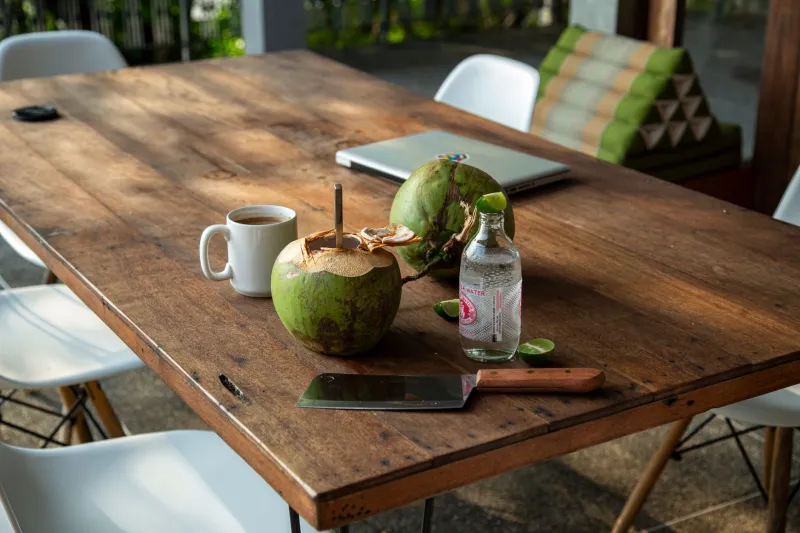
- For potassium: Avocados, sweet potatoes, white beans, bananas, and coconut water are all potassium powerhouses. Coconut water in particular is a classic post-cleanse go-to because it delivers potassium and natural sugars that help with energy restoration.
- For magnesium: Dark leafy greens, pumpkin seeds, dark chocolate (yes, really), black beans, and almonds are all solid options. Epsom salt baths are also a legitimate way to absorb magnesium transdermally — your skin takes it in while you soak.
- For trace minerals: Seaweed snacks and kelp flakes are rich in iodine and other ocean-derived trace minerals. Brazil nuts are one of the best selenium sources on the planet — two or three a day is genuinely enough. Pastured eggs and grass-fed beef cover zinc well.
DIY Electrolyte Drink Recipes
Skip the neon-colored sports drinks. These two recipes are simple, effective, and made from real ingredients.
Basic Mineral Replenisher
- 16 oz filtered water
- ¼ teaspoon Himalayan pink salt
- ¼ teaspoon cream of tartar (a natural potassium source)
- Juice of half a lemon
- 1 teaspoon raw honey
Stir until dissolved and sip throughout the day. This is a solid everyday option for the first week post-cleanse.
Coconut Magnesium Boost
- 8 oz coconut water (unsweetened)
- 8 oz filtered water
- ¼ teaspoon pink salt
- 1 tablespoon freshly squeezed lime juice
- ½ teaspoon magnesium glycinate powder (available at most health food stores)
Blend or shake well. The magnesium glycinate form is gentler on digestion than magnesium oxide, which is important when your gut is still recalibrating.
A 3-Week Post-Cleanse Rebalance Protocol
Think of this as the landing after the flight — the part that determines whether the whole trip was worth it.
Week 1 — Gentle Reintroduction: Focus on mineral-rich whole foods at every meal. Drink one of the electrolyte recipes above daily. Keep meals simple: cooked vegetables, easy-to-digest proteins like eggs and fish, and complex carbs like sweet potatoes and quinoa. Avoid jumping straight back into processed foods, alcohol, or caffeine.
Week 2 — Rebuilding and Nourishing: Expand your food variety. Add in fermented foods like sauerkraut, kimchi, or plain kefir to support gut bacteria that may have shifted during the cleanse. Continue the electrolyte drink three to four times per week. Consider adding a magnesium glycinate supplement in the evenings — 200–300mg is a reasonable starting point for most adults.
Week 3 — Stabilizing: By now, most people start feeling genuinely better — more energized, clearer-headed, and more emotionally even. Keep up the mineral-forward eating habits and dial back the supplemental electrolyte drinks to a few times per week unless you're exercising heavily. This week is also a good time to reflect on what you want to carry forward from your cleanse experience.
The Bigger Picture
A cleanse is a beginning, not a destination. The work you put into eliminating isn't wasted if you don't follow it up with smart replenishment — but the replenishment phase is what actually lets your body use all that effort to feel genuinely better.
Taking care of your minerals after a cleanse isn't a complicated science experiment. It's just paying attention to what your body actually needs — and then giving it that, consistently, over a few weeks. That's really what DIY wellness is all about.